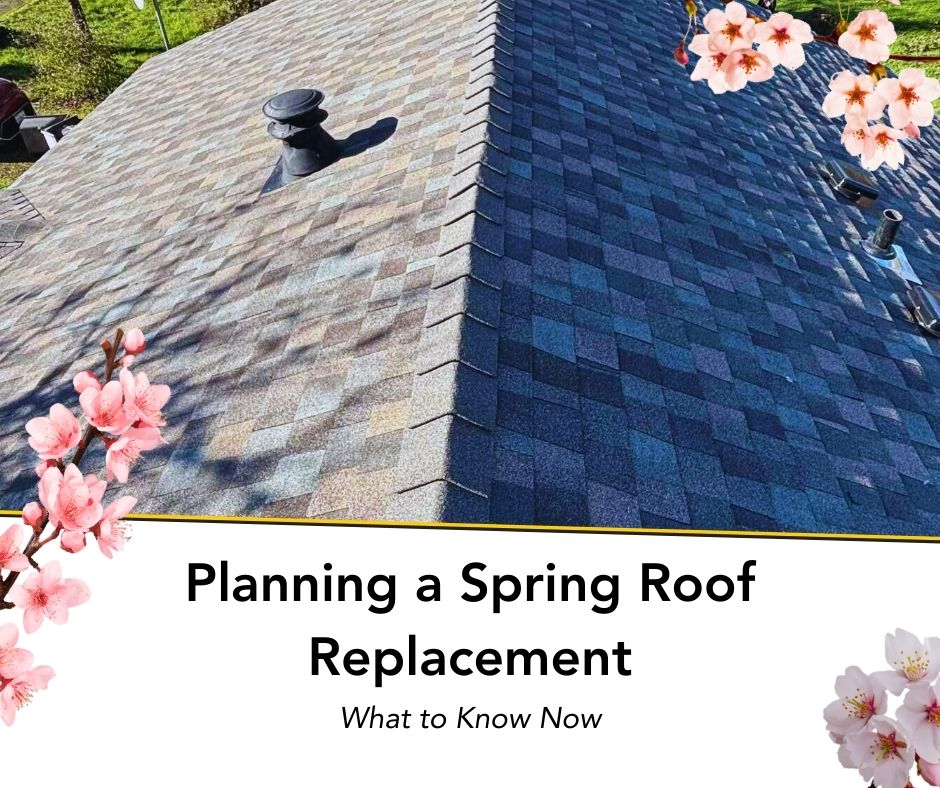
Planning a Spring Roof Replacement
March and April still brings plenty of rain to the Willamette Valley (and sometimes snow!), but there are also precious windows of dry weather that make spring the ideal time…

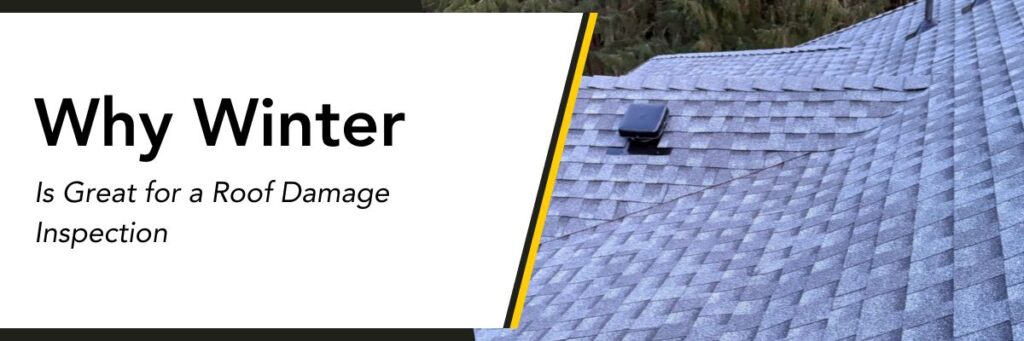
Many Oregon homeowners and business owners assume roofing work has to wait until spring. While full replacements are often scheduled for warmer months, a roof damage inspection remains just as important—if not more so—during the wettest and harshest time of year! Proactive roof damage inspections can catch problems early, reduce emergency repair costs, and protect your property through the rest of the season.
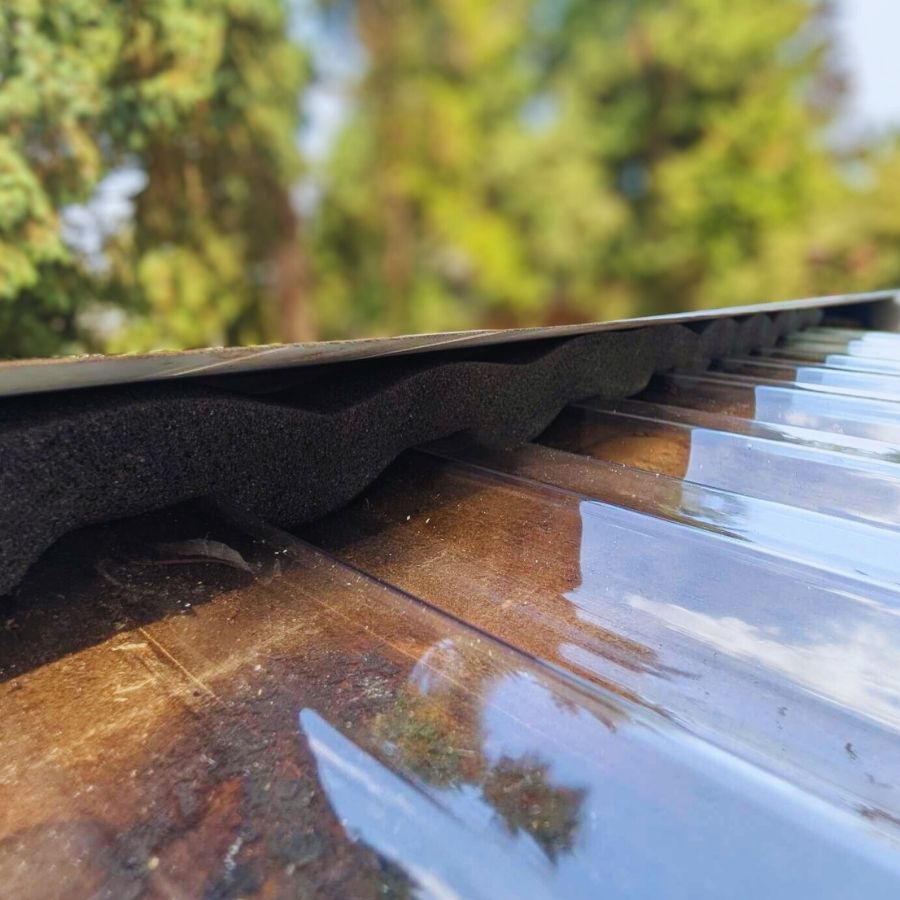
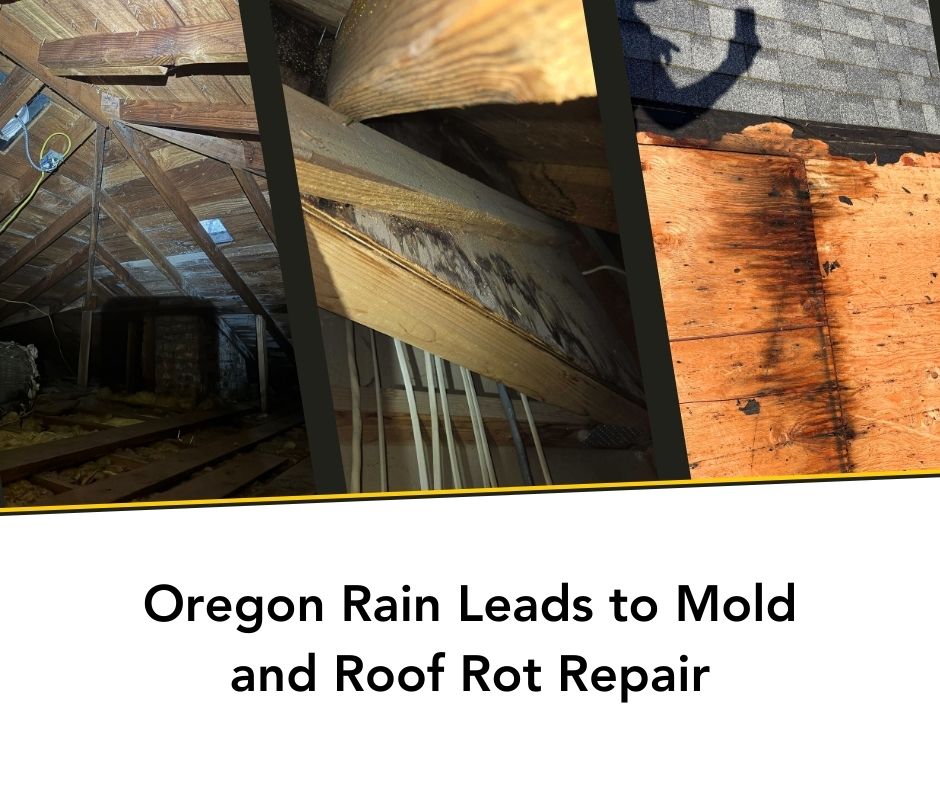
Oregon winters bring persistent rain, wind, occasional snow, and freezing temperatures. This combination unfortunately means roof damage. Moisture can slip into small cracks, flashing seams, or around roof penetrations. When temperatures drop, water expands during freeze-thaw cycles, widening those openings and accelerating deterioration.
Ice dams can also form when melting snow refreezes along roof edges, trapping water and forcing it under shingles and into the building envelope. Even roofs that appeared solid in fall can develop vulnerabilities once winter storms arrive.
A professional roof damage inspection focuses on identifying issues before they turn into leaks or structural damage. Common problems inspectors look for include:
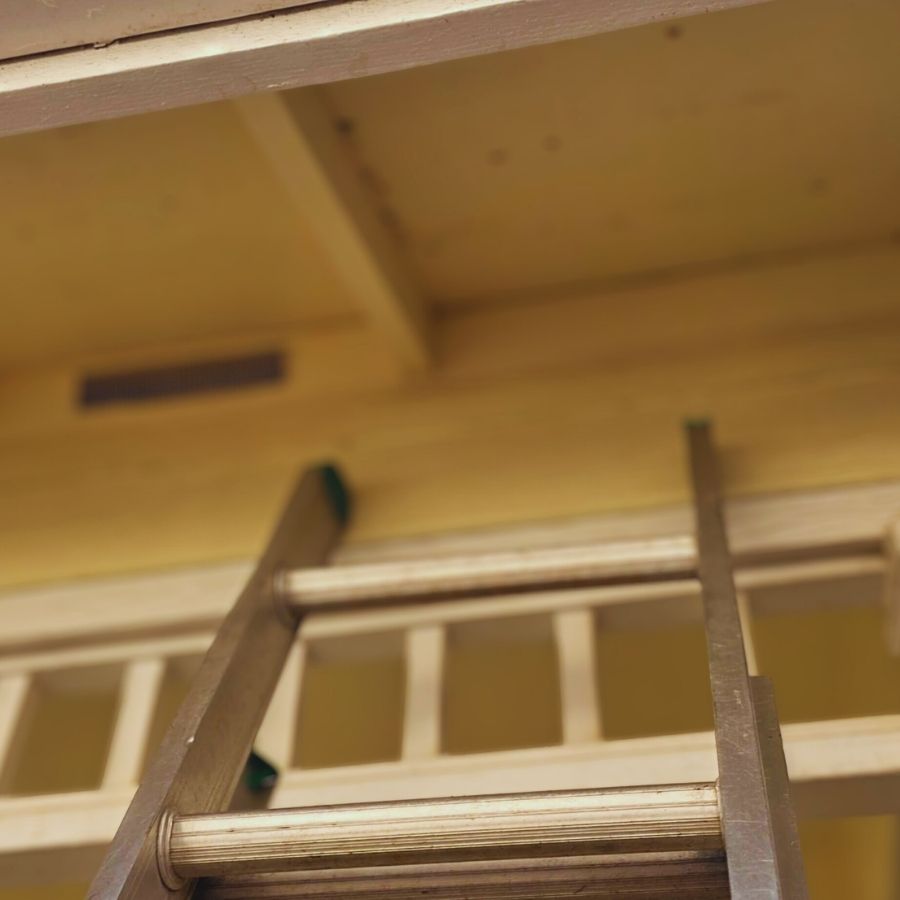
Many roof issues worsen quickly in winter because storms are frequent and moisture exposure is constant. A small flashing failure in December can turn into interior ceiling damage, wet insulation, or business downtime by February. Emergency roof repairs are often more disruptive and costly than preventative maintenance identified during an inspection.
For Oregon businesses, winter roof failures can also impact operations, inventory, and employee safety. Regular inspections help minimize risk and provide documentation that may be useful for insurance claims if storm damage occurs.
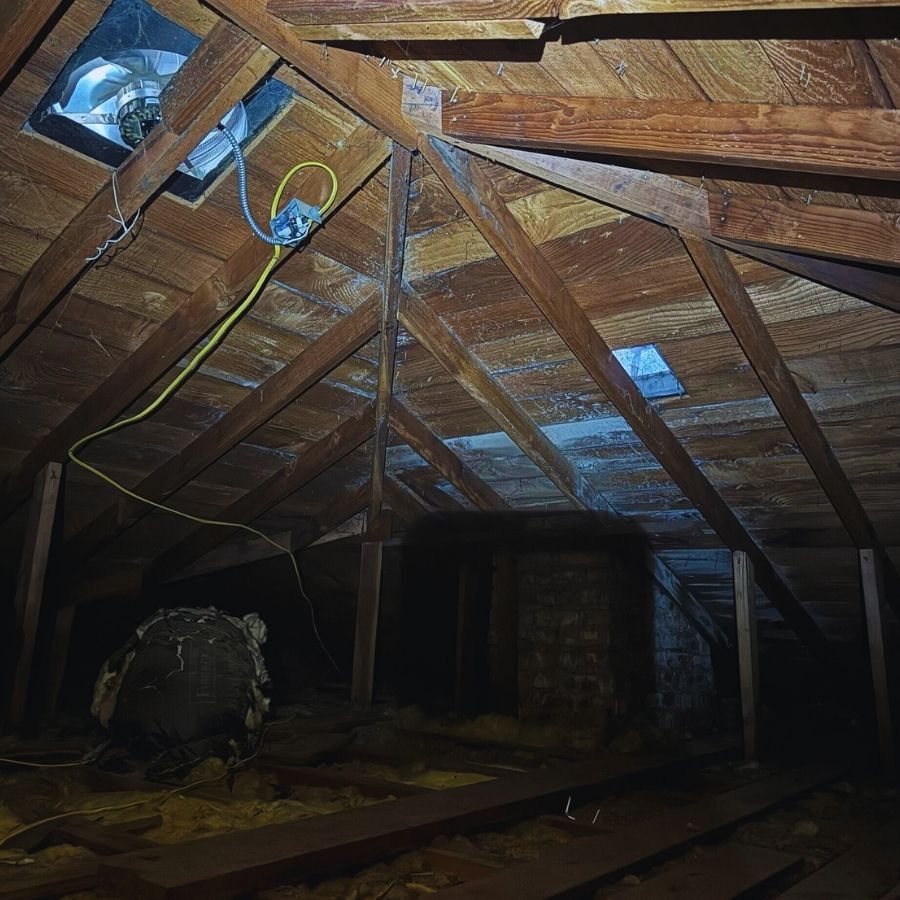
A common misconception is that roof damage inspections in the winter mean major repairs right away. In reality, inspections often lead to minor adjustments, temporary sealing, or targeted repairs that stabilize the roof until permanent work can be scheduled in better weather. These preventative steps extend roof life and reduce the likelihood of emergency calls during storms.
Winter roof inspections still matter—especially in Oregon’s wet, unpredictable climate. By identifying vulnerabilities early, homeowners and businesses can avoid costly damage, protect their buildings, and gain peace of mind through the rest of the season. A proactive approach now can make all the difference when the next storm rolls in.


Roofing contractor based in Salem, Oregon, serving the Willamette Valley and Oregon's Central Coast Region.
OR CCB: 209048
WA CCB: DAKOTCS843J1
Contact
Office Hours: 9 AM to 5 PM
Monday - Friday
Our Office:
1191 Capitol St NE, Salem, OR 97301