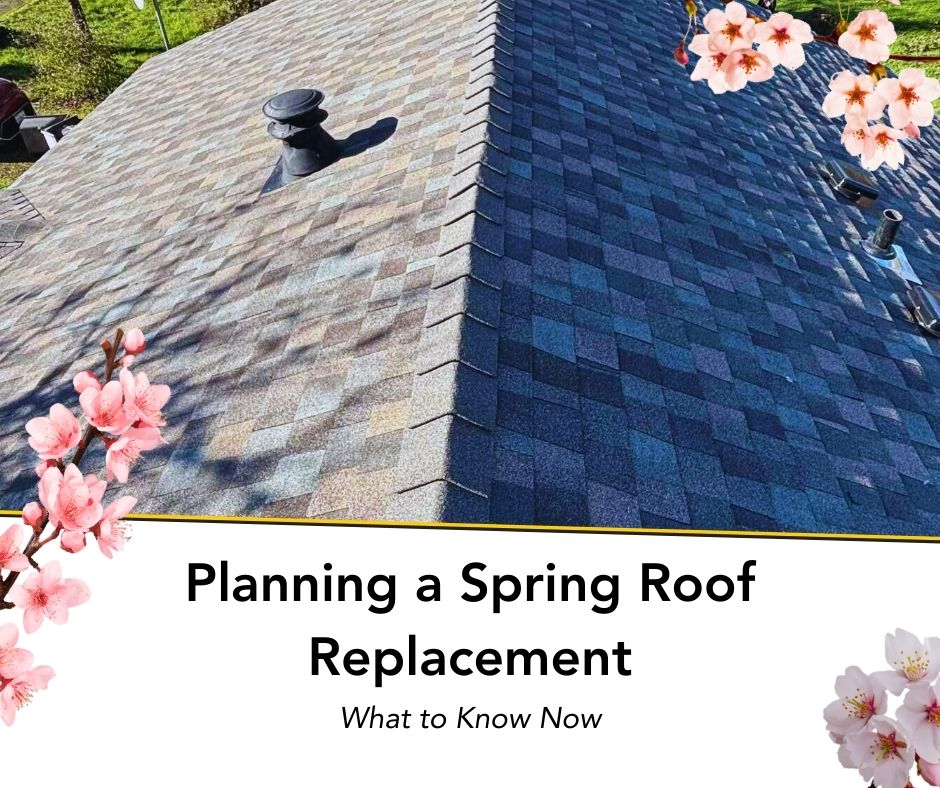
Planning a Spring Roof Replacement
March and April still brings plenty of rain to the Willamette Valley (and sometimes snow!), but there are also precious windows of dry weather that make spring the ideal time…

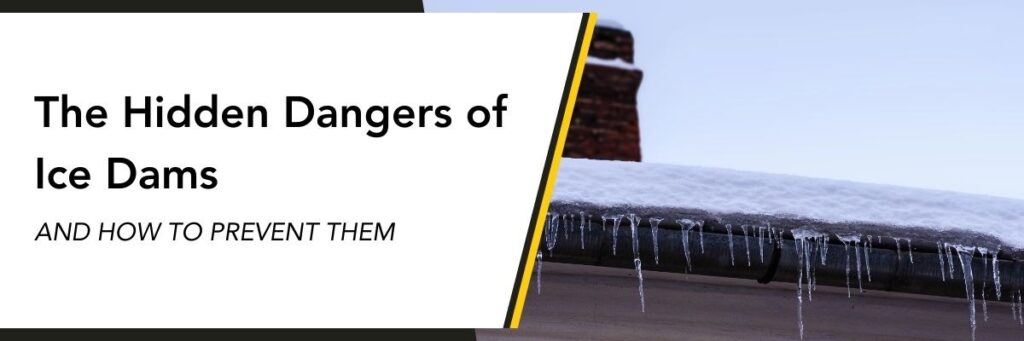
Cozy Oregon winters bring a sneaky roofing issue many homeowners underestimate: ice dams. These icy ridges may look harmless from the driveway, but they can cause serious damage to your roof, attic, and even the interior of your home. Let’s break down what ice dams are, why they’re dangerous, and most importantly—how to stop ice damming on roof.

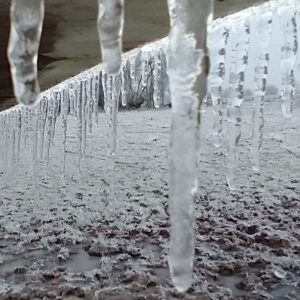
An ice dam forms when snow on your roof starts to melt, runs down toward the gutters, and then refreezes at the roof’s edge. The colder the temperatures and the warmer your attic, the more likely ice dams are to develop. Once enough ice builds up, it creates a barrier that traps melting snow behind it. That water has to go somewhere… and unfortunately, it often ends up backing up under your shingles.
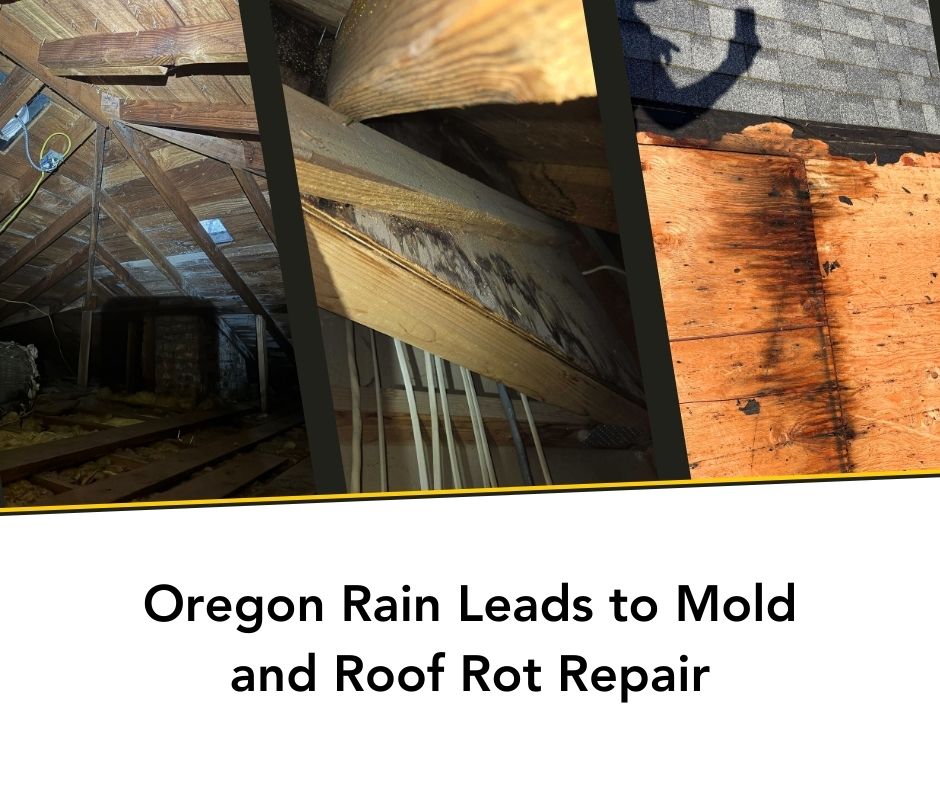
At first glance, an ice dam might look like nothing more than a small chunky icicle—but the damage it can cause is anything but small. Water that sneaks beneath your shingles can lead to:
The longer an ice dam sits, the more opportunity it has to destroy the protective layers of your roof. And if you’ve ever dealt with water damage before, you know how quickly a small issue can turn into a big (and expensive) headache.
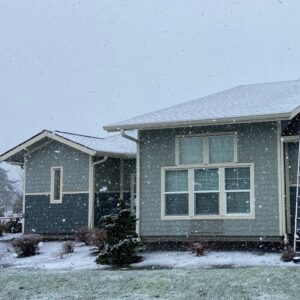
The good news? Ice dams are preventable and fixable. With a little preparation and the right roofing support, you can protect your home all winter long. Here’s how:
Warm air rising into your attic is one of the biggest contributors to ice dam formation. Adding or upgrading insulation helps maintain an even roof temperature, preventing snow from melting too quickly.
Gaps around vents, chimneys, and attic access points let warm indoor air escape. Sealing these areas keeps heat where it belongs—inside your living space.
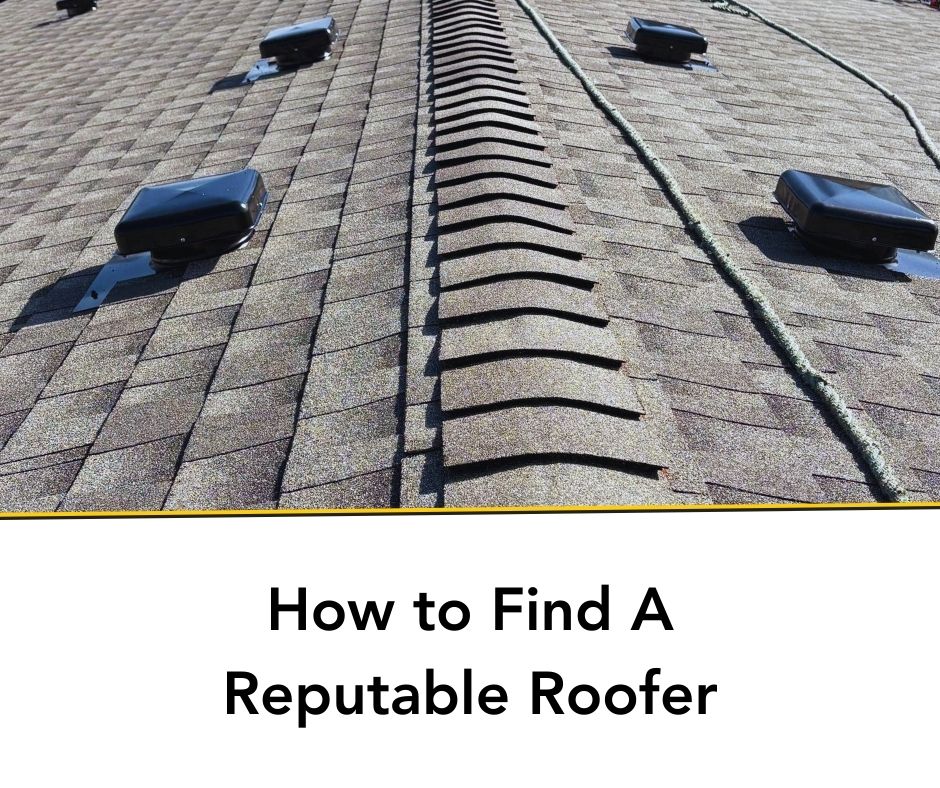
Balanced attic ventilation is essential for keeping your roof surface cool. If your attic feels stuffy or unbalanced, it might be time to have an expert take a closer look.
Clogged gutters make ice dams much worse. Clean gutters allow melting snow to drain properly instead of freezing into a solid block of trouble.
A professional roofing inspection can catch problems early—before snow and ice make them worse. From loose shingles to ventilation issues, a winter check-up is one of the best defenses against ice dams.
Ice dams might be common, but the damage they cause doesn’t have to be. With the right preparation—and help from a trusted roofing company—you can keep your home warm, dry, and protected all season long. If you want to know how to stop ice damming on roof, or want a winter roof inspection, we’re here to help. Stay warm out there!


Roofing contractor based in Salem, Oregon, serving the Willamette Valley and Oregon's Central Coast Region.
OR CCB: 209048
WA CCB: DAKOTCS843J1
Contact
Office Hours: 9 AM to 5 PM
Monday - Friday
Our Office:
1191 Capitol St NE, Salem, OR 97301