
Planning a Spring Roof Replacement
March and April still brings plenty of rain to the Willamette Valley (and sometimes snow!), but there are also precious windows of dry weather that make spring the ideal time…

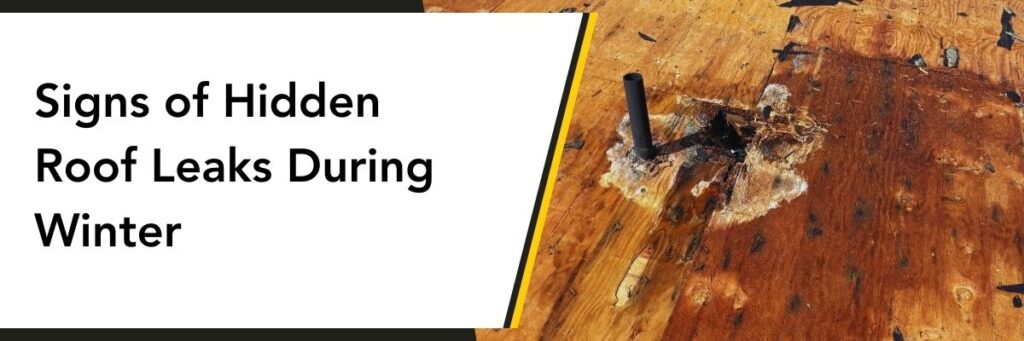
Winter storms in Oregon bring rain, wind, snow, and freezing temperatures that test the strength of every roof regardless of age or material. Hidden roof leaks often start small and unnoticed, only revealing themselves later as interior damage — but catching the early signs can save you thousands in repair costs, structural damage, and mold remediation. Here’s what Oregon homeowners and business owners need to know.
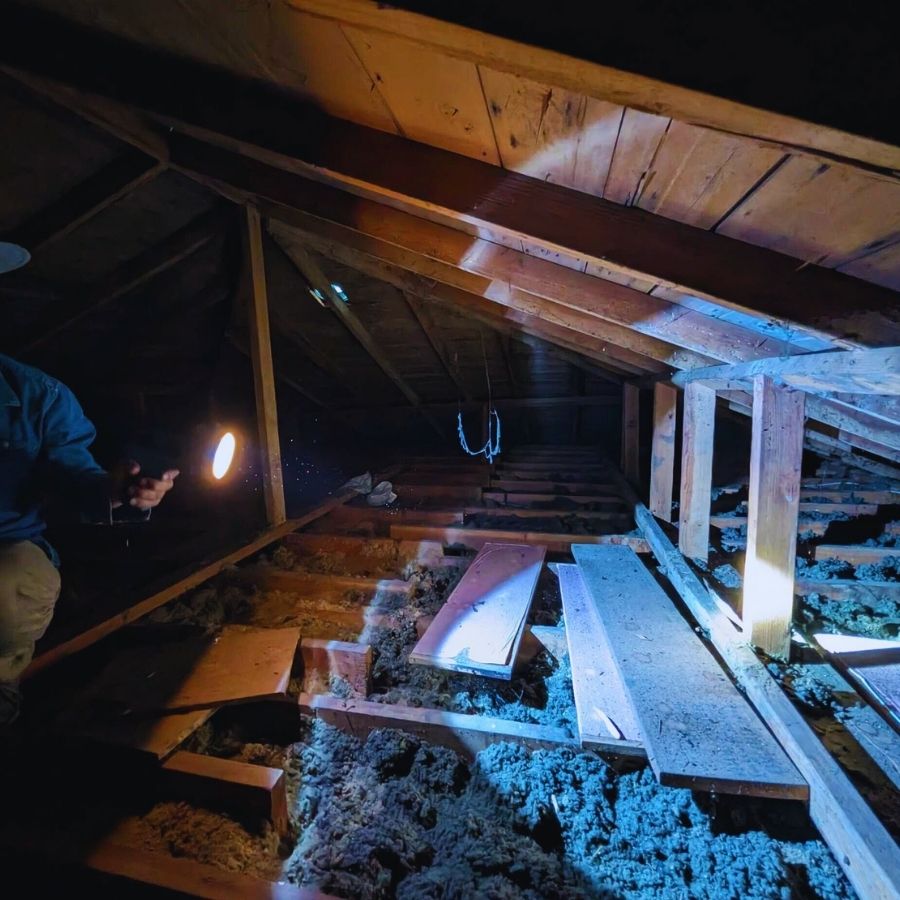
During the colder months, moisture from snow and rain can infiltrate extremely small cracks in shingles, flashing, or roof underlayment. As temperatures drop below freezing, the freeze-thaw cycle that naturally occurs in winter causes this water to expand and contract, widening those tiny gaps until water finds a path inside the home or building envelope — often without immediately obvious signs. Ice dams, another winter culprit, form when snow melts and refreezes at the roof edge, trapping water that can back up under shingles and work its way into attics or ceilings, causing unseen damage that only worsens over time.
1. Ceiling Water Stains or Discoloration
Watch for brown, yellow, or gray patches that may appear on your ceilings, particularly after a storm. These stains often start small and expand as moisture continues to enter and pool.
2. Bubbling or Peeling Paint and Wallpaper
Moisture trapped behind interior finishes causes surfaces to lift or blister — a sign of ongoing leakage before obvious dripping/leakage begins caused by water intrusion.
3. Musty Odors or Visible Mold
A persistent musty smell in upper rooms or attics suggests moisture accumulation of some kind. Mold can start developing within 24–48 hours of water exposure and indicates that moisture has been present for some time. If mold begins, it can cause serious health complications – please get in contact with a roof expert for assistance.
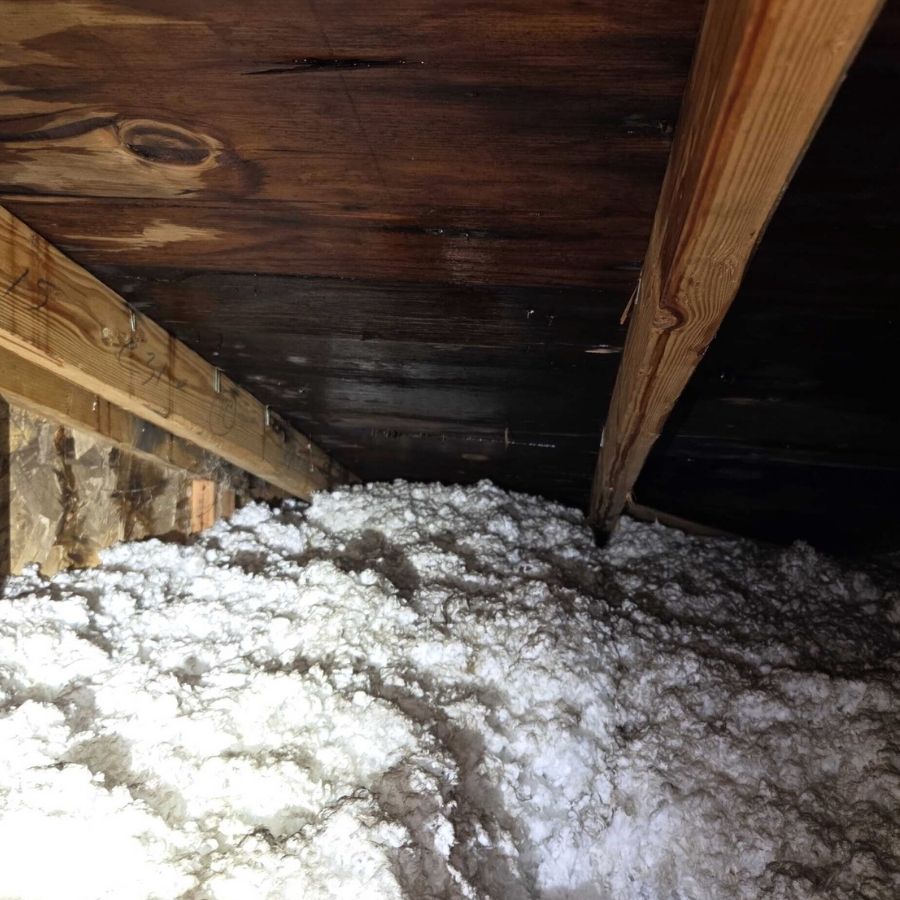
4. Damp or Frosted Attic Insulation
If you access your attic safely, look for compacted, darkened, or damp insulation. Frost on rafters or nails (in freezing periods) or moisture saturating them (during normal temps) is also a red flag for moisture intrusion from above (or below if your venting system isn’t set-up correctly). If you have a concern, call a roof expert.
5. Dripping or Sounds of Water Movement
Hearing drips during or shortly after a storm usually means there’s an active leak, a big yikes. Even intermittent drips should receive a prompt inspection before more serious damage occurs. If the damage is storm related, we can help you navigate the insurance process and put in preventative measures to prevent further damage.
Even if water isn’t yet showing up inside, your roof’s exterior can tell a story:
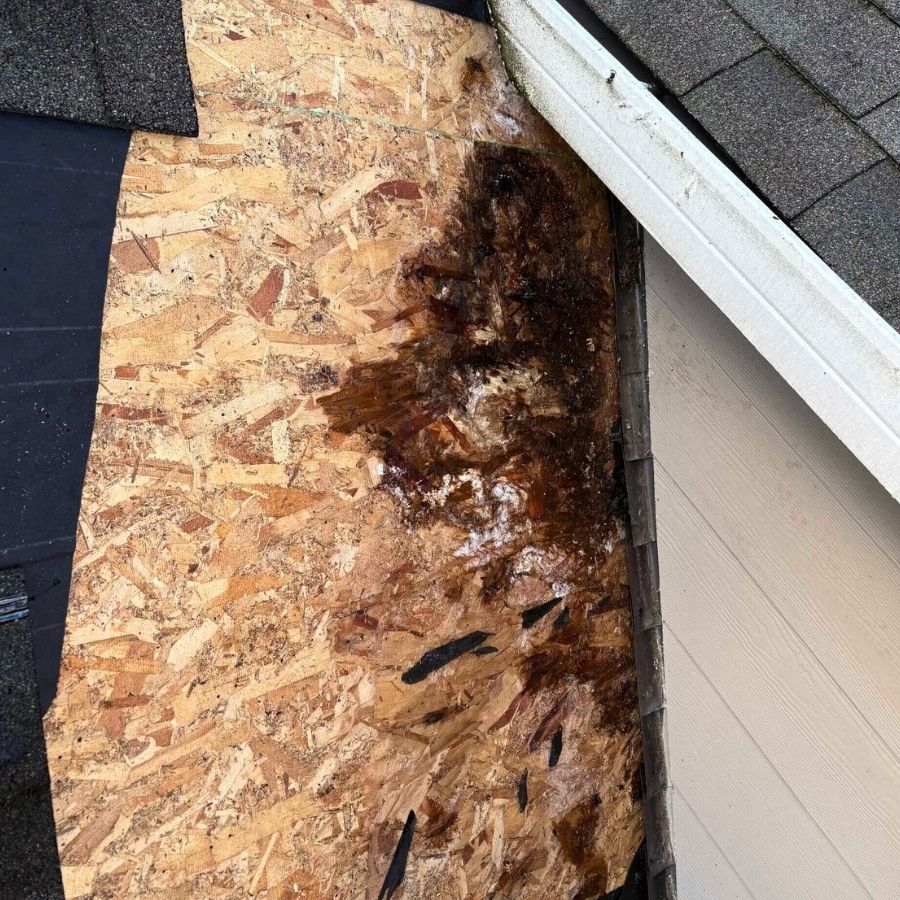
Roof leaks rarely resolve on their own and will often worsen as winter weather persists. If you notice any of the signs above after storms or snow melt, scheduling a professional roof inspection with a qualified Oregon roofing contractor can pinpoint the source and prevent interior damage, mold growth, and costly repairs down the line.
Detecting hidden roof leaks early keeps you dry, protects your property, and ensures your roof stands strong through Oregon’s wet and freezing seasons.



Roofing contractor based in Salem, Oregon, serving the Willamette Valley and Oregon's Central Coast Region.
OR CCB: 209048
WA CCB: DAKOTCS843J1
Contact
Office Hours: 9 AM to 5 PM
Monday - Friday
Our Office:
1191 Capitol St NE, Salem, OR 97301