
Oregon Rain Leads to Mold and Roof Rot Repair
Here’s what you should know about moisture and your roof to avoid extensive roof rot repair and mold down the line.


Spring in Oregon is fast approaching, but we know not to trust warm sunshine and clear skies. March and April still brings plenty of rain to the Willamette Valley (and sometimes snow!), but there are also precious windows of dry weather that make spring the ideal time for roof replacement. If you’re thinking about replacing your roof this year, the time to start planning is right now.
Here is how to set yourself up well for an efficient and stress free roof replacement in Salem Oregon.
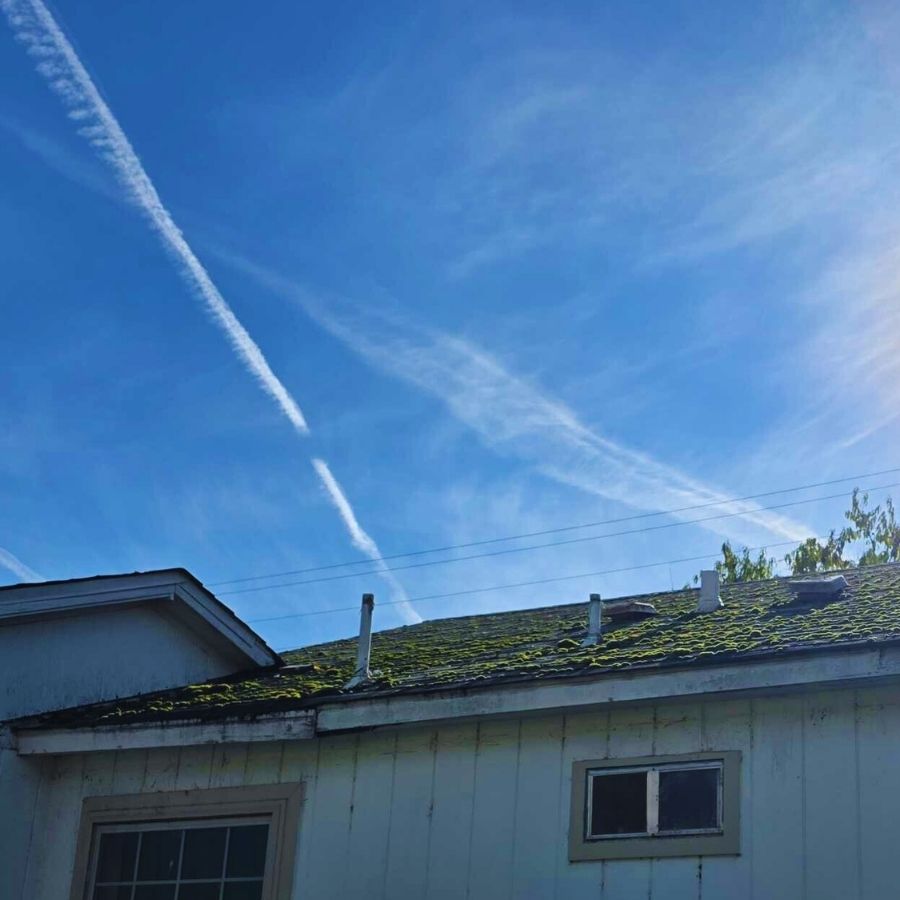
Roofing contractors throughout Portland, Salem, Eugene, and surrounding communities see their schedules fill up quickly once spring arrives. The reason is simple: spring offers the best balance of decent weather with homeowners’ urgent needs. Winter storms have exposed weak spots in aging roofs, homeowners have had months to save for the project, and there’s strong motivation to get the work done before summer when you actually want to enjoy your home without tarps and construction noise.
Temperature matters too. Asphalt shingles seal properly in moderate temperatures—generally between 45 and 85 degrees. Too cold and the adhesive strips won’t activate properly. Too hot and shingles can become damaged during installation. Spring’s mild conditions in the 50s and 60s are perfect for quality installation that will protect your home for decades.
Here’s what most Oregon homeowners don’t realize: if you wait until the first sunny week in April to call a roofer, you may be already behind. Reputable contractors can book their spring projects weeks or sometimes months in advance. The best time to schedule your roof replacement is actually in late February or early March, even while rain is still falling regularly.
Use these rainy weeks to get multiple estimates, compare materials and warranties, check contractor licenses and insurance, and secure financing if needed. By the time drier weather arrives, you’ll have a signed contract and a spot on the schedule instead of joining the waiting list behind everyone else who had the same spring replacement idea.
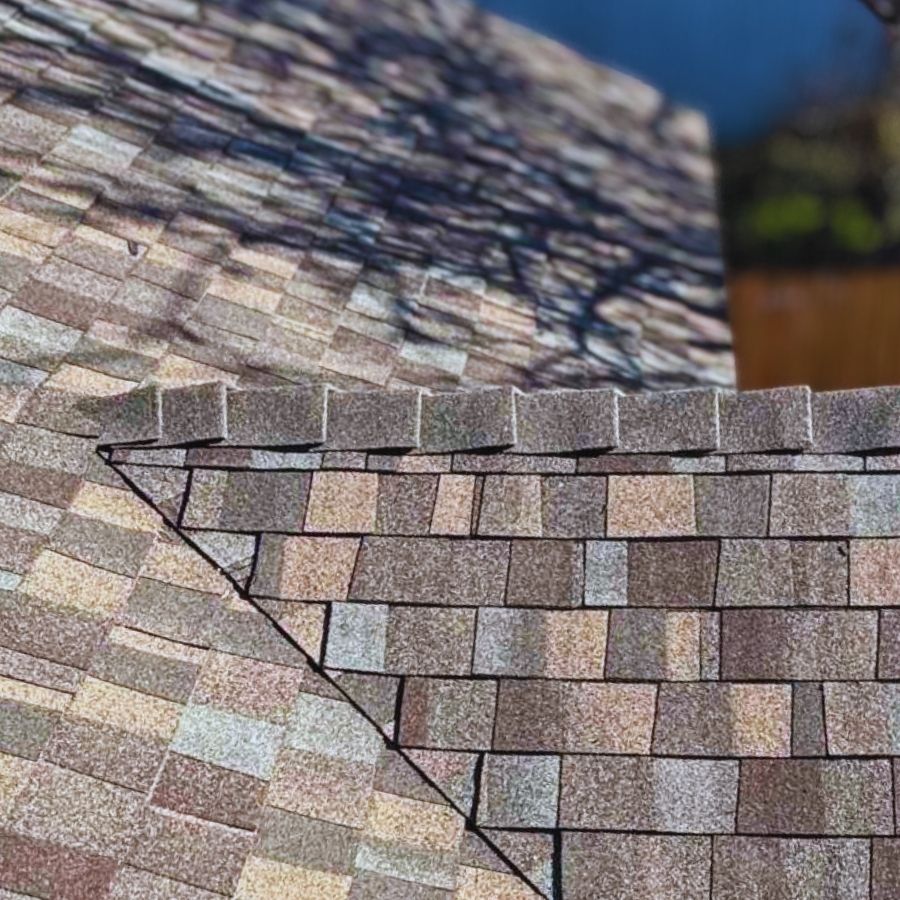
Let’s be realistic about Oregon spring weather—it’s unpredictable. Your contractor needs several consecutive dry days to safely remove your old roof and install the new one. A typical residential roof replacement takes three to five days, and leaving your home exposed to rain mid-project is a nightmare scenario nobody wants.
Experienced local roofers understand this. They watch weather forecasts closely and maintain flexible schedules to take advantage of dry periods. This means your scheduled start date might shift by a few days if rain is forecast. While this can feel frustrating, it’s far better than rushing the job during poor conditions. A quality contractor will communicate proactively about weather-related schedule changes.
Not all roofing materials perform equally well in the Pacific Northwest’s wet climate. Asphalt composition shingles remain the most popular choice for Oregon homes, offering good value and 20-30 year lifespans when properly installed. Architectural shingles provide enhanced durability and better wind resistance for our occasional spring storms.
Metal roofing has gained popularity in recent years, particularly in areas with heavy tree coverage. Metal sheds debris easily, resists moss growth better than asphalt, and can last 50+ years. While the upfront cost is higher, the longevity and minimal maintenance appeal to many Willamette Valley homeowners.
Cedar shake roofs offer classic Northwest aesthetics but require more maintenance in our moist climate. If you love the look, modern synthetic shake products provide a similar appearance with better moisture resistance and longer warranties.
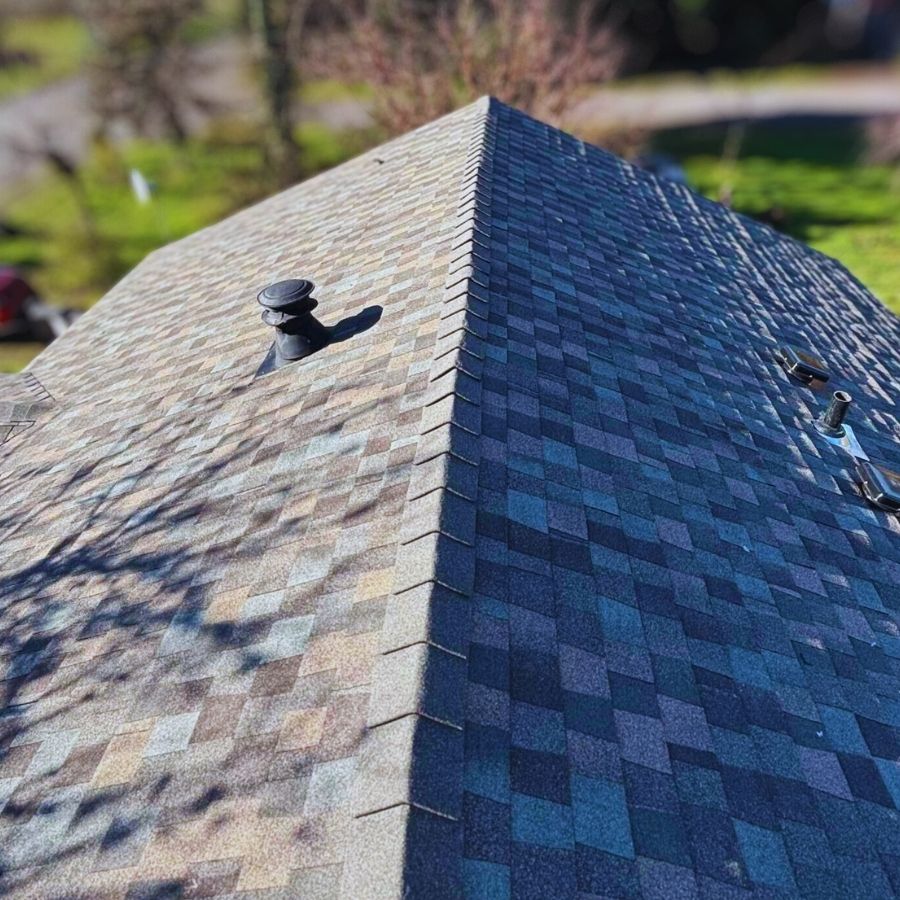
A spring roof replacement means coordinating around school schedules, work-from-home arrangements, and the general disruption of having crews on your property for several days. Expect noise—lots of it—especially during tear-off when old shingles are removed. Most contractors work from early morning until late afternoon to maximize productive hours during dry weather.
Protect your landscaping by trimming back bushes and moving planters away from the house perimeter. Magnetic sweepers will catch most fallen nails, but it’s smart to keep kids and pets inside during the work and for a day or two after completion. Your contractor should provide tarps to protect areas where old roofing materials are dropped and ensure thorough cleanup.
A roof replacement isn’t cheap—expect to invest anywhere from ten to thirty thousand dollars depending on your home’s size, pitch complexity, and material choices. But consider what your roof protects: your family, your belongings, your home’s structure, and your biggest financial investment. Spring planning means you can budget appropriately, potentially schedule the project around tax refunds or bonuses, and avoid the panic of emergency replacement during the next winter storm season.
Start making those calls now, and you’ll have a beautiful new roof protecting your home before summer barbecue season arrives. We are your professional and experienced roofers. Contact us for a quote on roof replacement Salem Oregon, we are happy to explain your options.




Roofing contractor based in Salem, Oregon, serving the Willamette Valley and Oregon's Central Coast Region.
OR CCB: 209048
WA CCB: DAKOTCS843J1
Contact
Office Hours: 9 AM to 5 PM
Monday - Friday
Our Office:
1191 Capitol St NE, Salem, OR 97301