
Planning a Spring Roof Replacement
March and April still brings plenty of rain to the Willamette Valley (and sometimes snow!), but there are also precious windows of dry weather that make spring the ideal time…

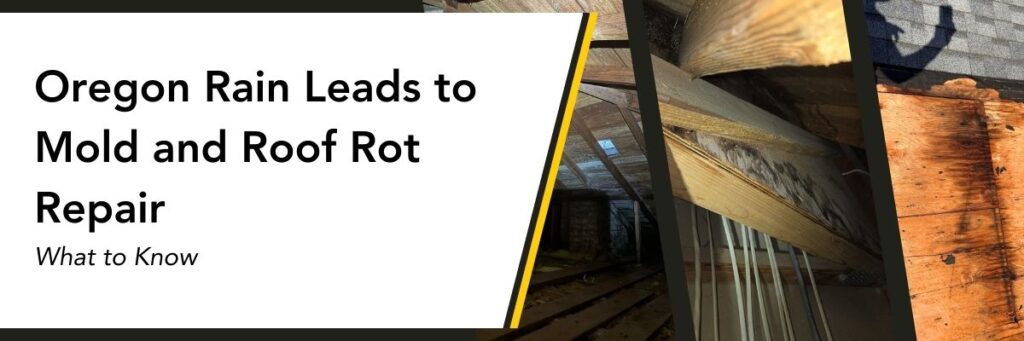
You know the drill, that famous Pacific Northwest drizzle isn’t just a backdrop for Oregon life. Rain can be a relentless force that puts our homes—and roofs—to the test. While we’ve learned to appreciate the rain and embrace waterproof boots and waterproof jackets, our roofs don’t have it quite so easy. The constant moisture that makes the Willamette Valley so lush and green also creates the perfect conditions for two of the most damaging problems homeowners face: roof rot and mold growth. Here’s what you should know about moisture and your roof to avoid extensive roof rot repair and mold down the line.
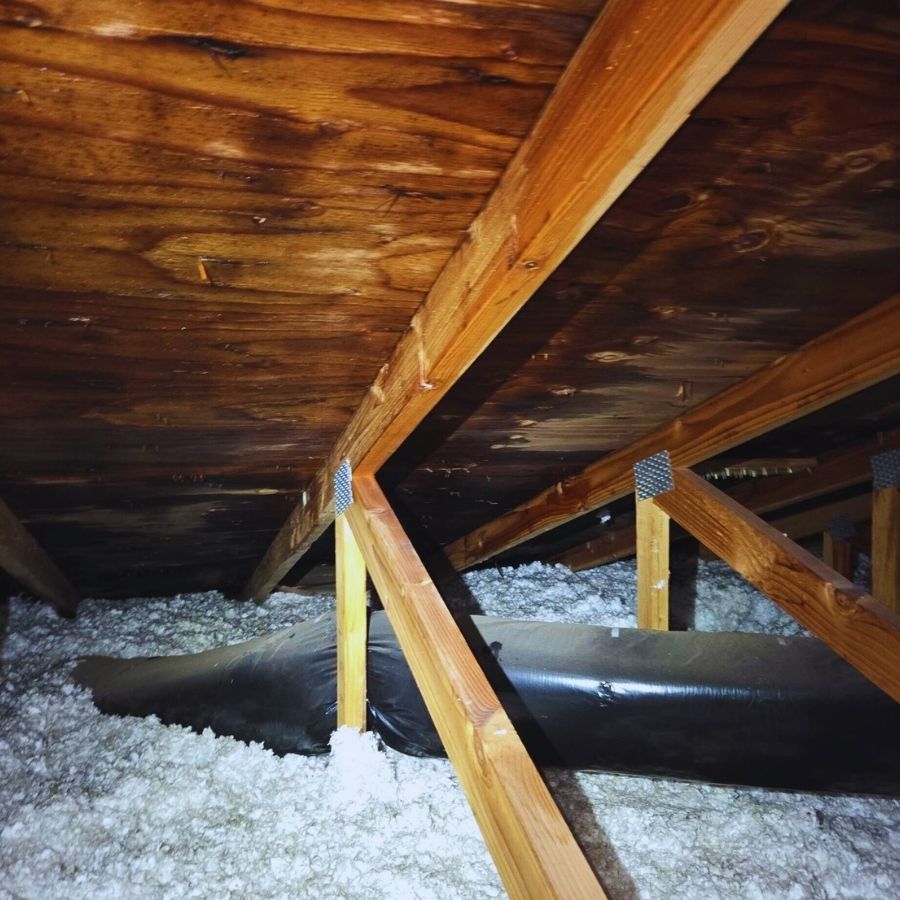
Unlike dramatic thunderstorms that roll through and move on, Oregon rain settles in for the long haul. From October through May, we experience steady precipitation that rarely gives roofs a chance to fully dry out. This prolonged moisture exposure is exactly what wood-destroying fungi and mold spores need to thrive. When you combine our wet winters with relatively mild temperatures—rarely freezing enough to kill off mold or too hot to dry things out—you’ve got a year-round recipe for roof deterioration.
The problem intensifies in areas with heavy tree coverage. The beautiful Douglas firs and maples that provide summer shade also drop needles, leaves, and debris onto your roof. When wet organic material sits in valleys and gutters, it holds moisture against your roofing materials like a damp sponge, accelerating rot and creating mold colonies you can’t see from the ground.
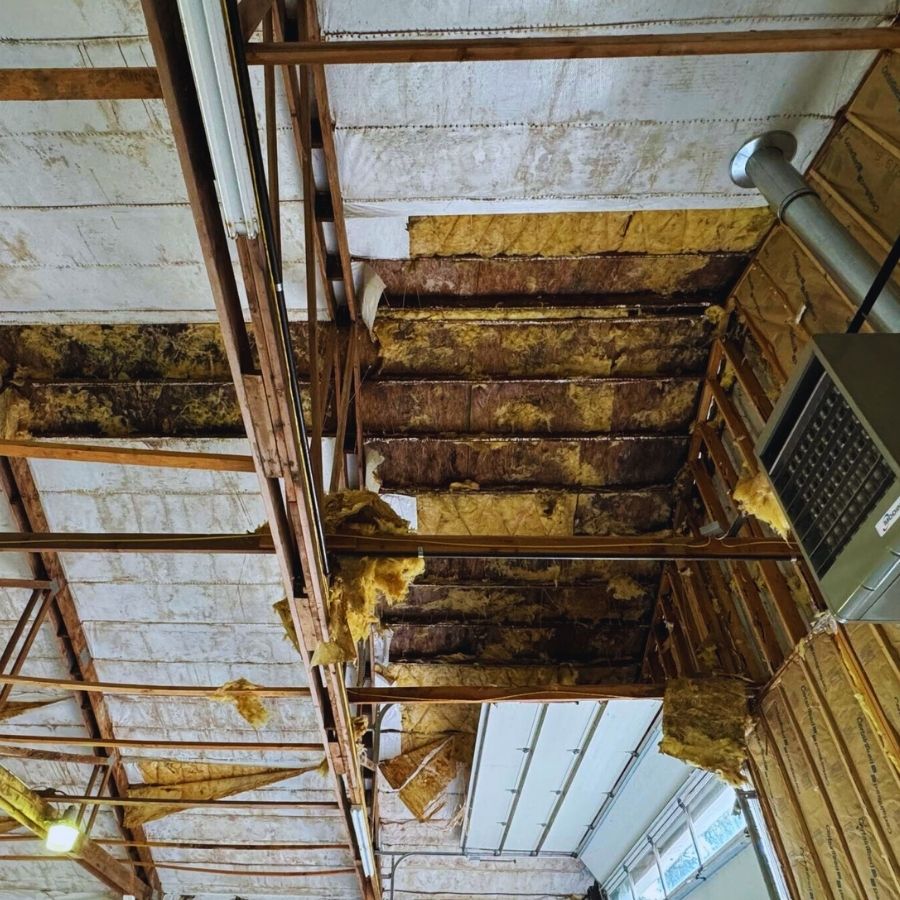
Roof rot typically begins in the most vulnerable spots—under shingles, around chimneys and vents, along roof valleys, and anywhere your roof flashing has deteriorated. Oregon’s rain doesn’t need a major leak to cause serious damage. Even minor moisture infiltration from worn shingles or compromised seals allows water to seep into roof decking and underlying wood structures.
Once moisture penetrates, the wood stays damp in our humid climate. This creates ideal conditions for dry rot fungus, which ironically thrives in wet environments. The wood becomes soft and spongy, losing its structural integrity. Many Portland, Salem, and Eugene homeowners discover extensive rot damage only when they notice sagging sections, visible water stains on ceilings, or during a roof inspection before selling their home—basically, once the damage has spread extensively.
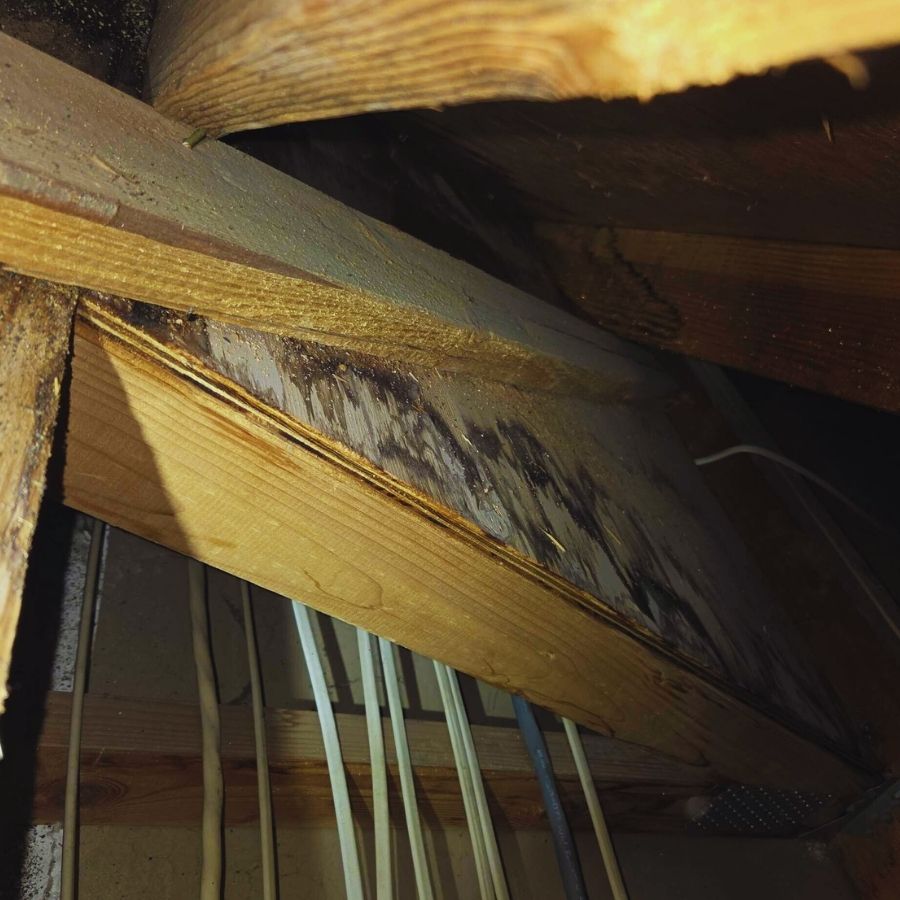
Where there’s roof rot, mold is usually close behind. Oregon’s moisture-rich environment means mold spores are always present in the air, just waiting for the right conditions to colonize and cause damage. A roof leak or persistent dampness in your attic provides everything mold needs: moisture, organic material (wood, insulation, drywall), and our moderate temperatures.
Attic mold often goes unnoticed because most of us aren’t regularly checking our crawl spaces. But the health implications can be serious—respiratory issues, allergic reactions, and aggravated asthma symptoms, especially for children and elderly family members. Black mold, while less common than most people think , does occur in Oregon homes with significant moisture problems.
Here’s the good news! You can protect your home from Oregon’s relentless rain with proactive roof maintenance.
Here are some steps you can take:
We wouldn’t trade our green landscapes and mild seasons for anything, but protecting our homes from moisture damage is simply part of responsible homeownership in the Pacific Northwest. Be on the lookout for water damage and contact Dakota for any roof rot repair needed to get your home protected.
If you’ve noticed stains on your ceiling, missing shingles after our last windstorm, or it’s been more than a year since your last roof inspection, don’t wait. Oregon rain is patient and persistent—and so should be your home maintenance routine.


Roofing contractor based in Salem, Oregon, serving the Willamette Valley and Oregon's Central Coast Region.
OR CCB: 209048
WA CCB: DAKOTCS843J1
Contact
Office Hours: 9 AM to 5 PM
Monday - Friday
Our Office:
1191 Capitol St NE, Salem, OR 97301