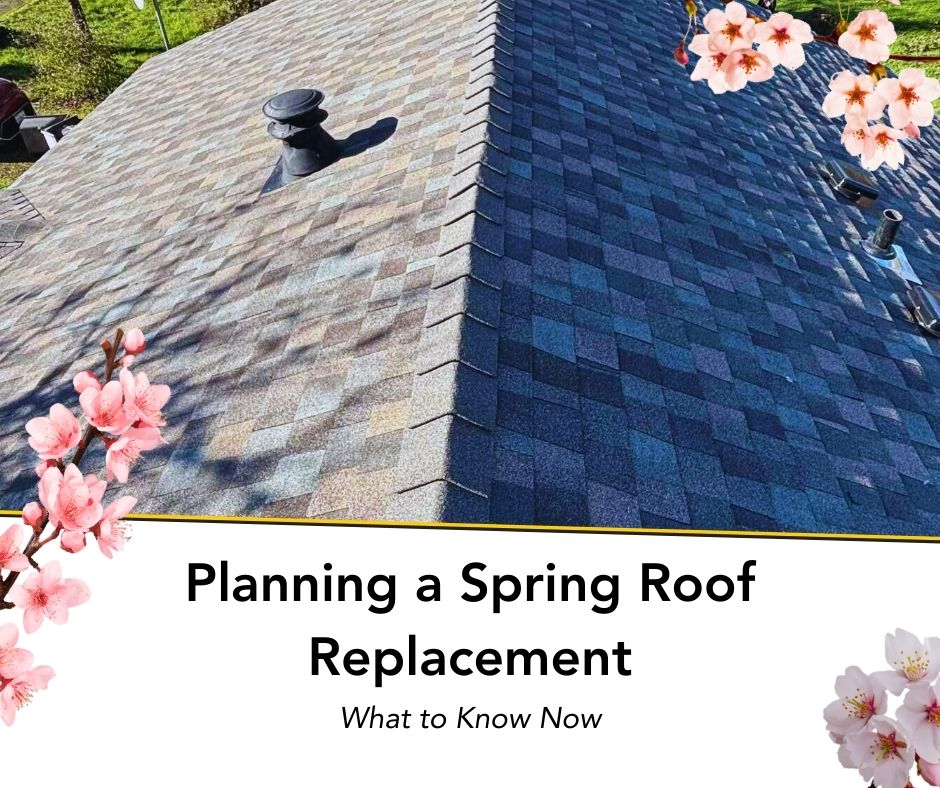
Planning a Spring Roof Replacement
March and April still brings plenty of rain to the Willamette Valley (and sometimes snow!), but there are also precious windows of dry weather that make spring the ideal time…

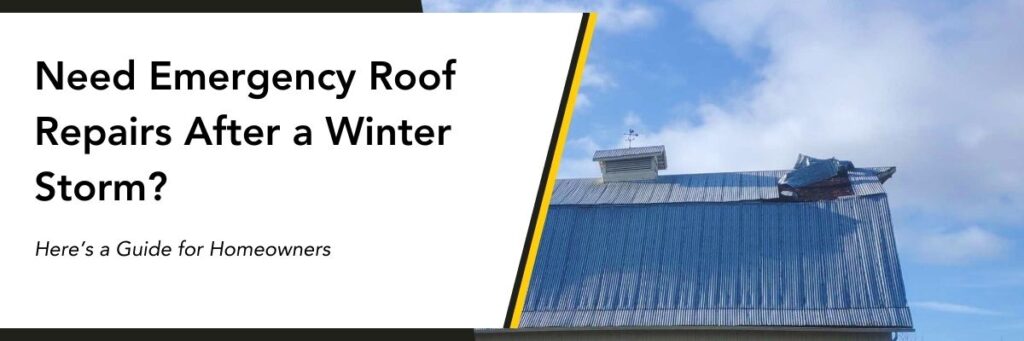
Winter in Oregon brings beautiful landscapes, but it is also paired with heavy rain, wind, freezing temperatures, ice dams, and snow — all of which can take a serious toll on your roof. Wind can literally blow your shingles off and loosen your flashings in some cases! When storms hit hard and damage occurs, knowing when and how to respond with emergency roof repairs can protect your property from further water intrusion, structural damage, and expensive restoration later.
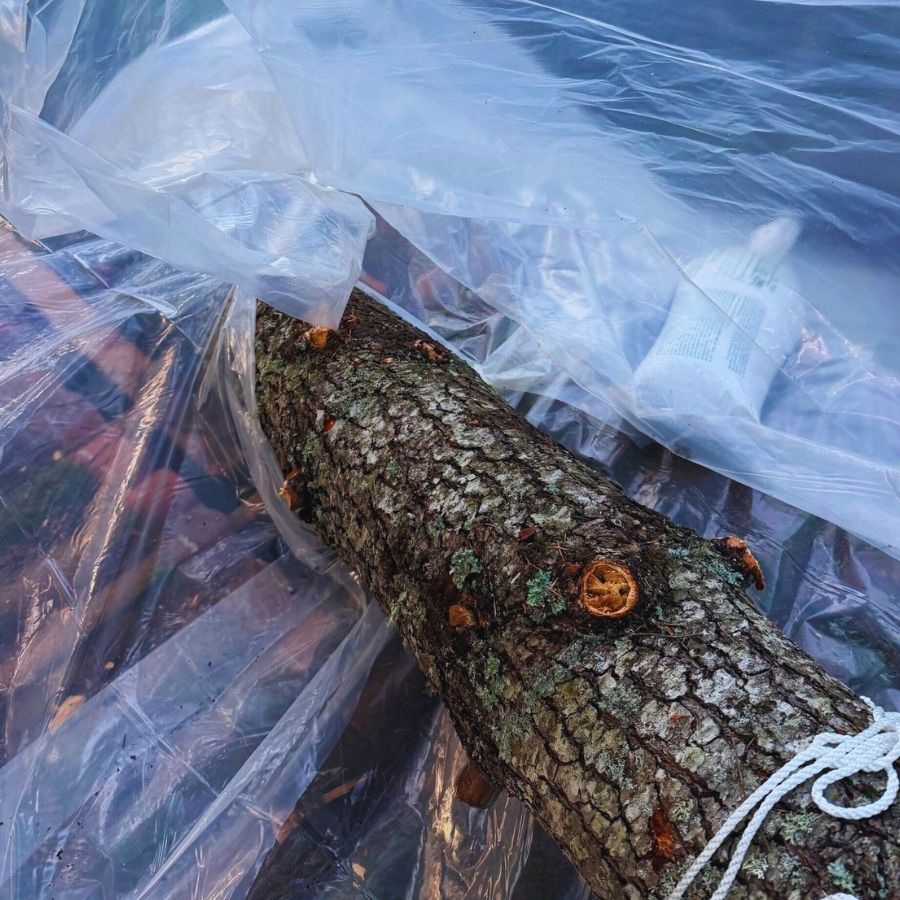
Harsh winter storms in the Pacific Northwest expose roofs to a variety of forces: heavy precipitation that saturates roofing systems, temperature fluctuations that cause materials to expand and contract, and wind that can loosen shingles, flashing, or other roofing components.
Ice dam formation — where melting snow refreezes at roof eaves and blocks proper drainage — is a frequent concern here in Oregon and can force water under shingles and into the home if not addressed properly. Additionally, repeated freeze-thaw cycles widen cracks and weaken seals in roofing materials, making even small vulnerabilities worse over time, resulting in water intrusion and the issues associated with that.
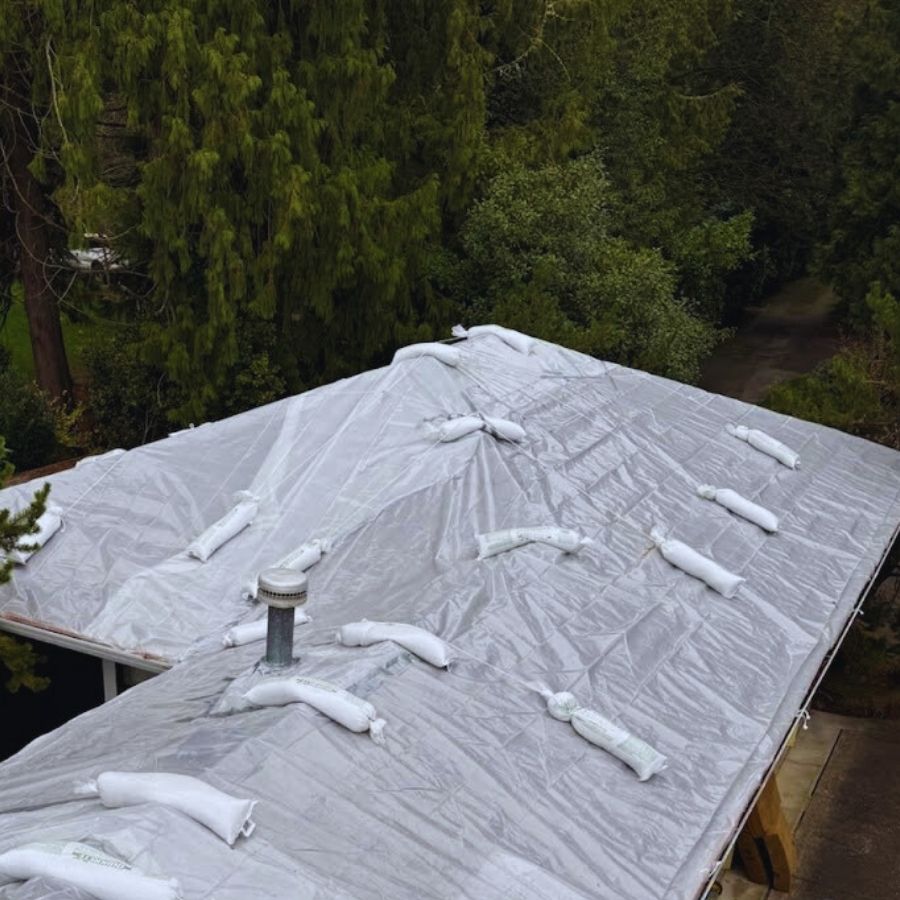
After a severe winter storm, take time to inspect your roof and property from a safe vantage point — either from the ground or through interior checks:
These signs often indicate serious problems that require immediate attention to prevent further damage to your home.
Safety is the first priority. Do not climb onto a wet or icy roof — fall risks are high in that environment and can lead to injury. Instead we recommend:
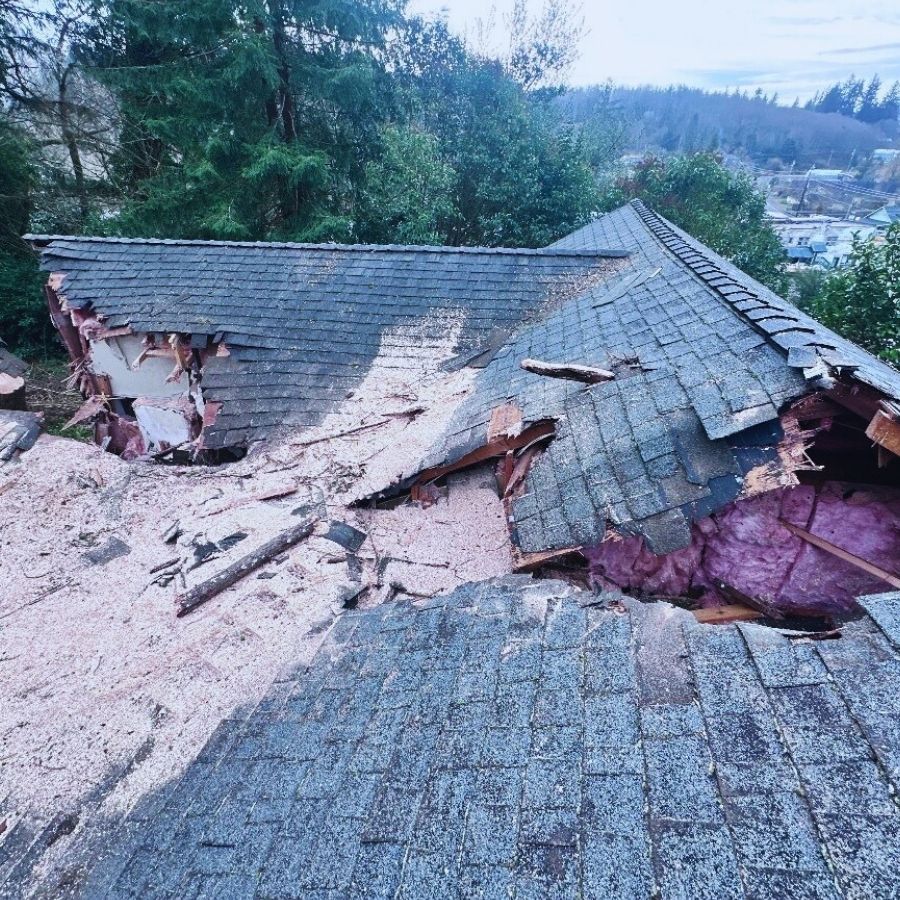
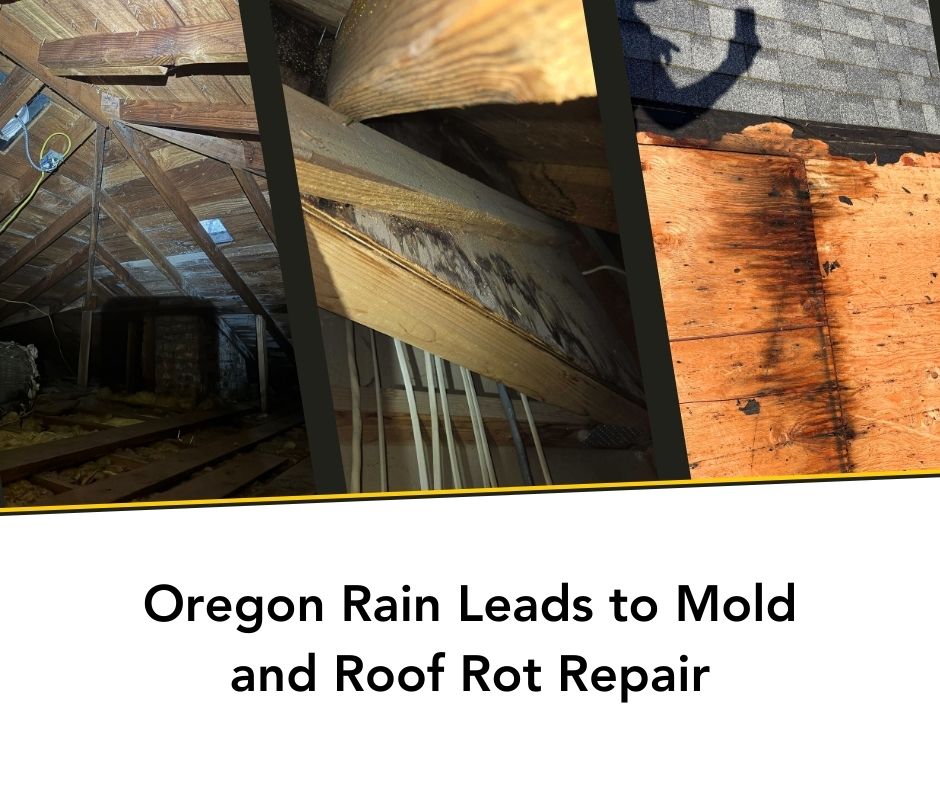
Waiting to address roof damage can allow water to infiltrate deeper into the structure, leading to rot, mold growth, wood decay, and compromised insulation — all of which increase repair costs significantly. Early intervention limits interior damage, improves safety, and helps preserve your roof’s lifespan.
Choosing a roofing contractor familiar with Oregon’s wet, windy winters means you’re working with someone who understands common regional issues — from ice dams to saturated underlayment — and can make appropriate, long-lasting repairs.
Winter storms can strike quickly, but informed and timely action can keep your home or business protected. By recognizing the signs of storm damage, documenting issues, and calling professionals right away, you’ll save time, money, and stress — and avoid minor problems turning into major repairs.


Roofing contractor based in Salem, Oregon, serving the Willamette Valley and Oregon's Central Coast Region.
OR CCB: 209048
WA CCB: DAKOTCS843J1
Contact
Office Hours: 9 AM to 5 PM
Monday - Friday
Our Office:
1191 Capitol St NE, Salem, OR 97301